The first thing I did when I got home from Lenzerheide was list my Scott Spark RC for sale.
That probably gives away the conclusion of this article slightly early.
A couple of months ago, I had the opportunity to head out to Lenzerheide in Switzerland with Scott UK to get an early look at Scott’s full 2027 line up and, more importantly, ride the latest generation Spark RC and the then unreleased Spark DC on the terrain they were actually designed for.
With the new Spark DC finally out of embargo, I can now actually talk about the trip! As someone who already owns and races the previous generation Spark RC, I was particularly interested to find out whether the new bike represented a genuine step forward or whether, as is often the case with already very good bikes, the differences would be fairly marginal.
They weren’t.
A first look at Scott’s 2027 range
Before getting out on the bikes, we had the opportunity to see Scott’s full 2027 line up, including some particularly special bits of kit.
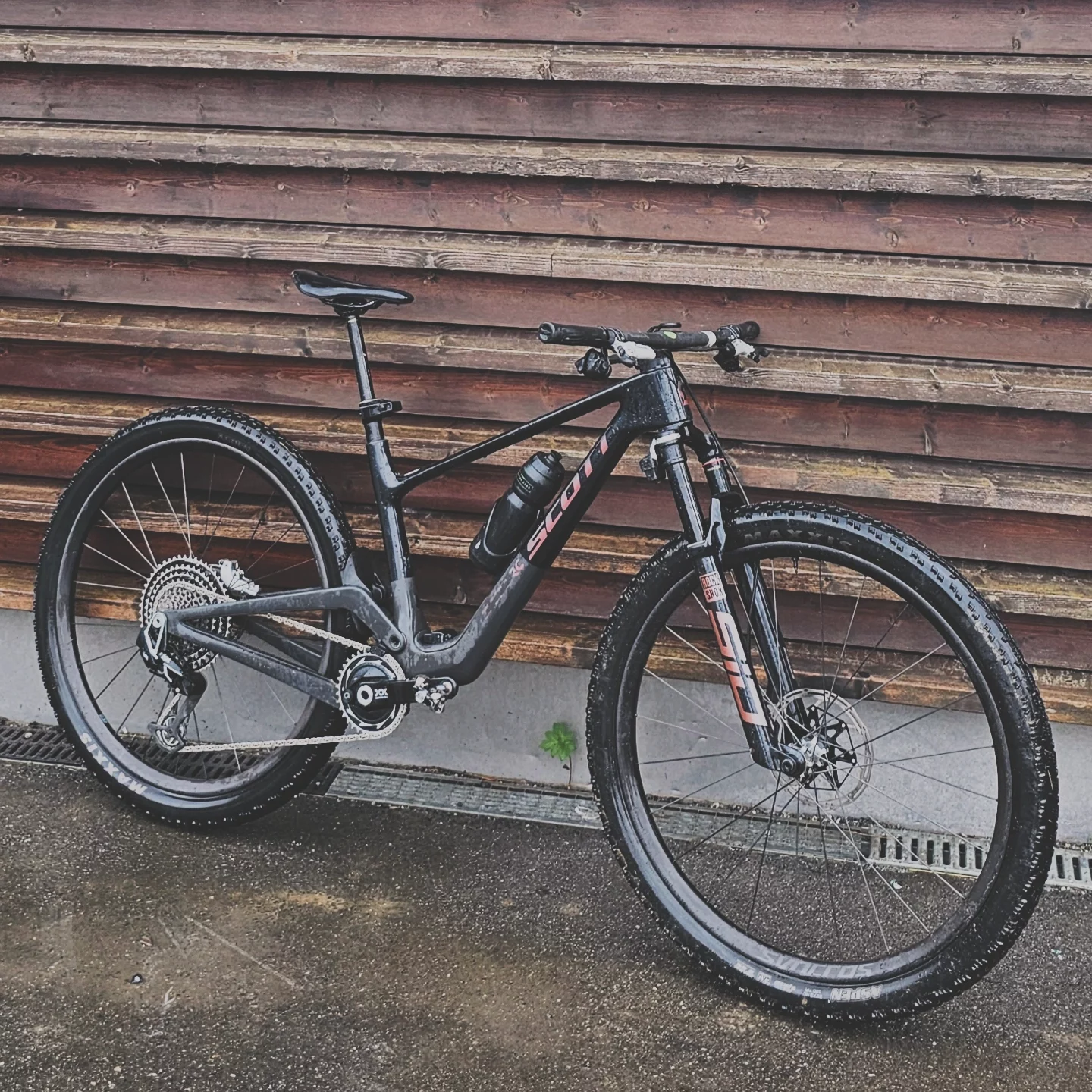
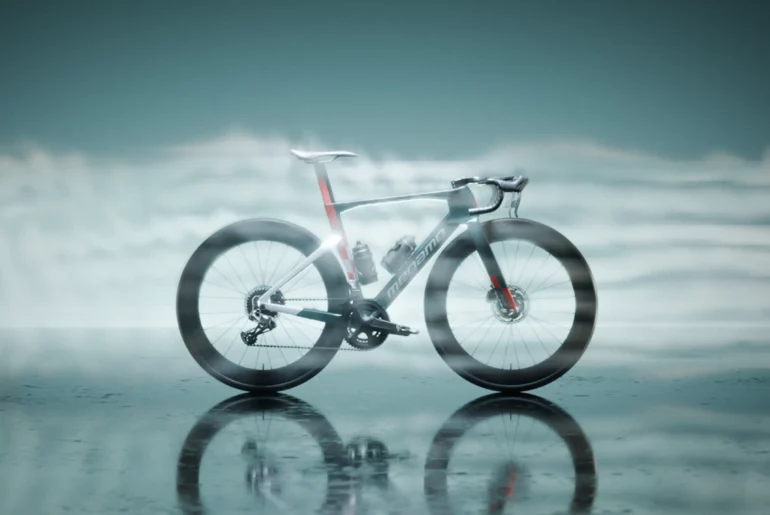
The obvious highlight was the limited edition Scott Spark RC Dangerholm frameset, complete with PUSH suspension. It is every bit as ridiculous in person as you would expect from something carrying the Dangerholm name. Even better, we have secured two of them, with one Medium and one Large coming our way. With numbers extremely limited, they should make for two very special builds when they arrive. Shop here.
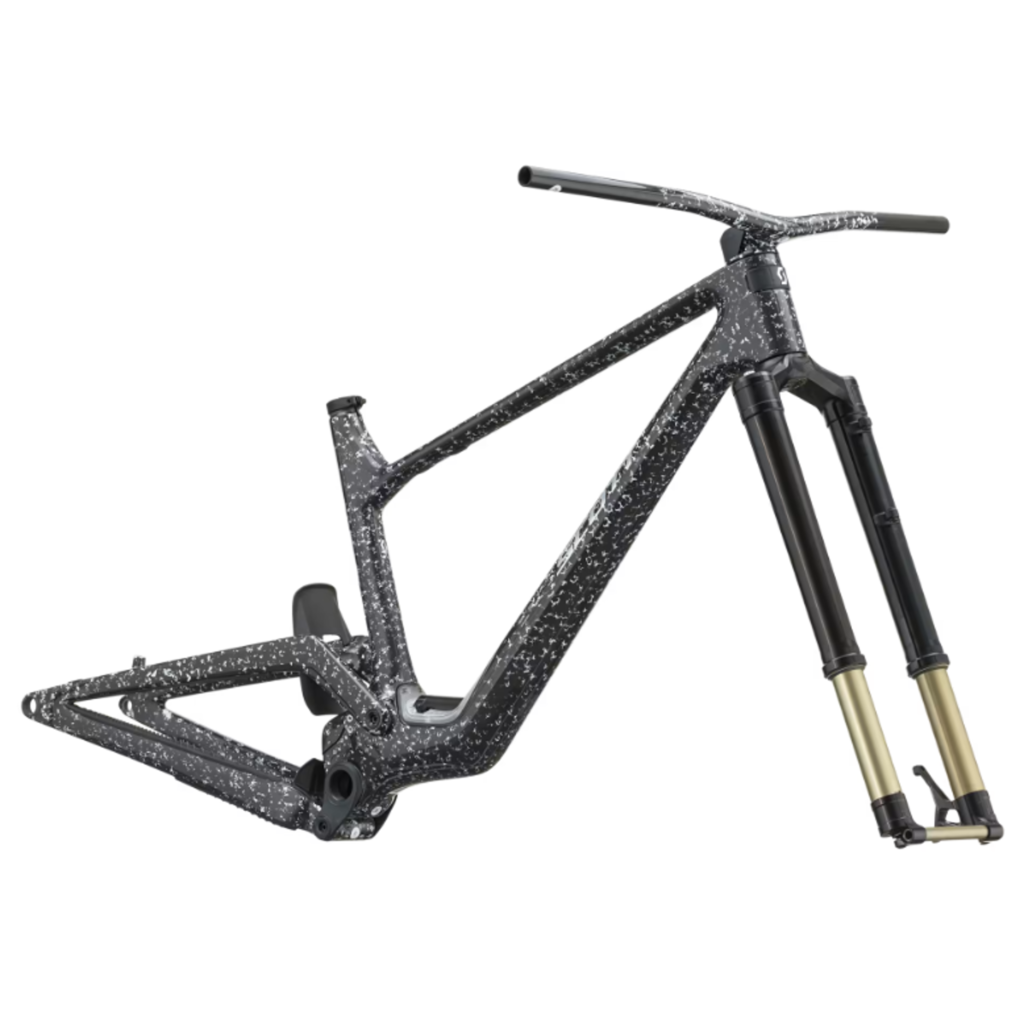
Seeing the range in a showroom is one thing, but we were in Lenzerheide, so naturally the more important part was getting out and riding it.
Bike Kingdom and a fairly handy tour guide
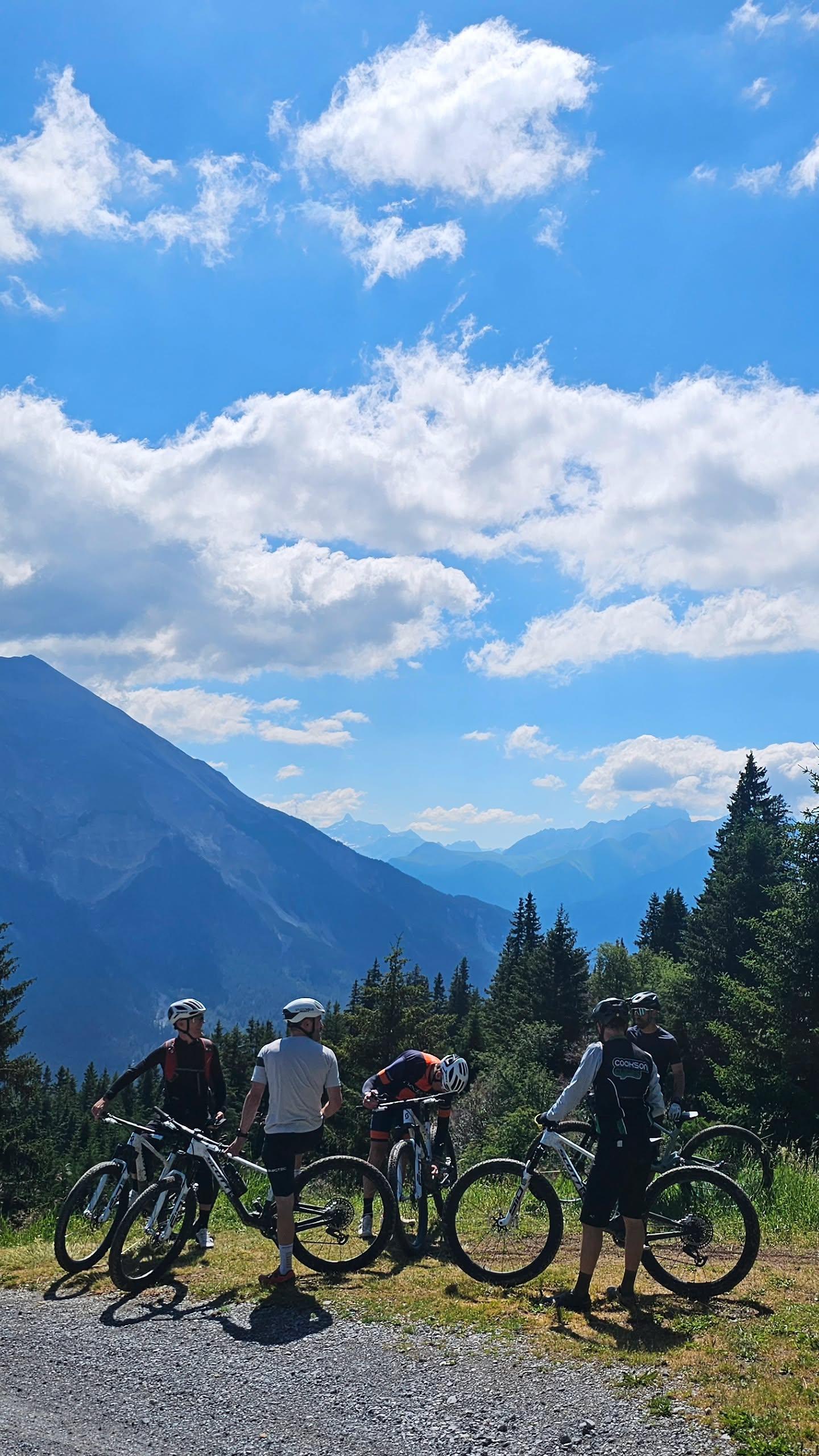
Lenzerheide sits in the middle of Bike Kingdom, with a pretty ridiculous amount of riding disappearing off into the surrounding mountains. If you were going to pick somewhere to properly test a new Spark, you would struggle to do much better. It also helps when your guide happens to be Nino Schurter.
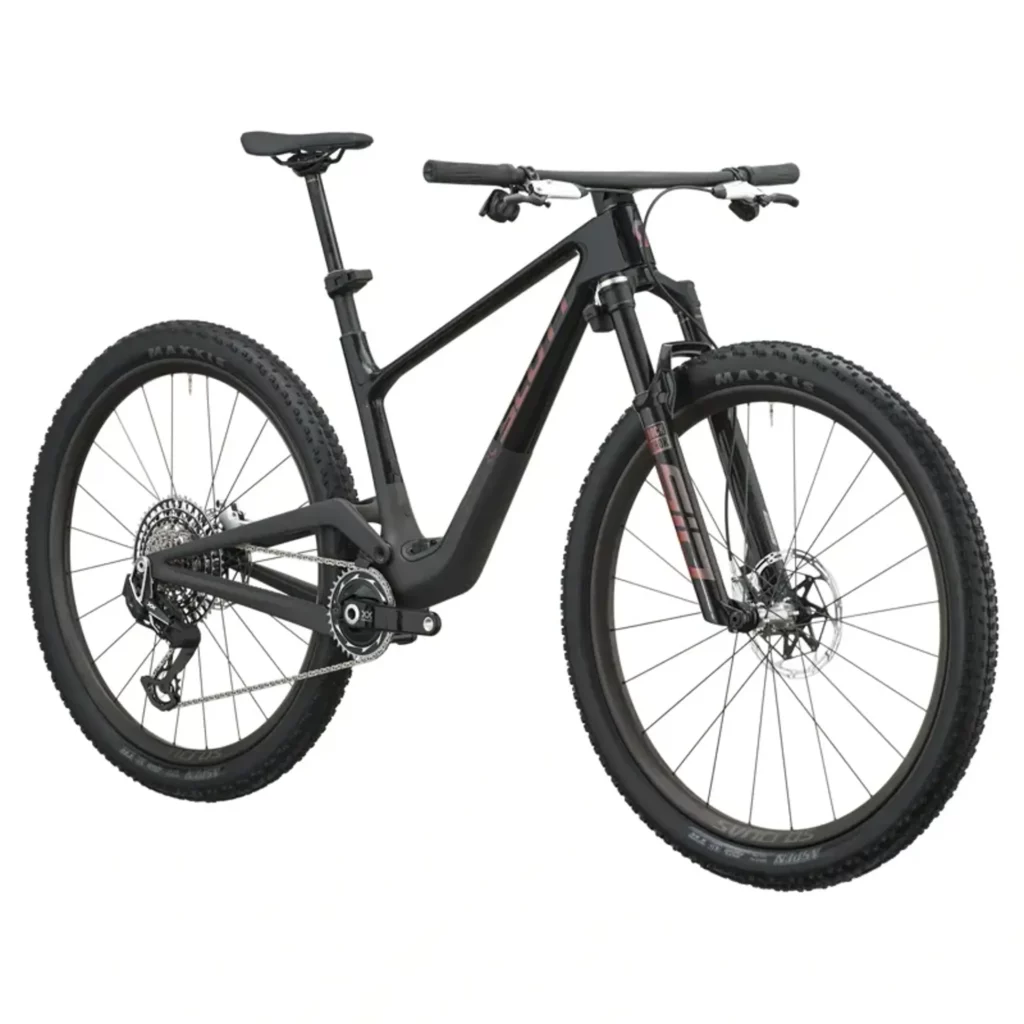
Scott Spark RC SL
- Spark RC HMX SL Frame
- RockShox Flight Attendant
- SRAM XX SL AXS Transmission
- SRAM Motive brakes
- Syncros Silverton CF1 wheels
- Rock Shox Reverb AXS
Getting the opportunity to ride with Nino on his home trails was obviously a pretty special experience in itself, but it also puts the Spark into context. This is a bike with an enormous amount of World Cup pedigree behind it and, despite how capable modern cross country bikes have become, racing is still very much at the centre of what the Spark RC is about. There was even a bit of racing and argy bargy with Nino along the way, which was pretty surreal and definitely one of the highlights of the trip. Although, in the interest of full disclosure, I was on the Spark RC SL, shown above, while Nino was riding a Ransom RC, so things were perhaps stacked slightly in my favour when the trail pointed upwards. I’ll take it nonetheless!
The new Spark RC
Coming from the previous generation Spark RC meant I had a pretty useful reference point. I already knew how fast and capable the Spark platform was. My own bike had been raced, ridden hard and set up exactly how I wanted it, so I wasn’t getting onto the new RC having never experienced a proper modern cross country bike before, which made the difference between the two generations all the more interesting.
The new Spark RC still feels unmistakably like a cross country race bike. It wants you to push on, rewards putting the power down and retains that direct feeling that makes a proper XC bike so much fun to ride.
What impressed me most, though, was how composed it felt once the terrain became faster, rougher and more technical. Modern cross country racing has changed massively and the bikes have had to follow.
The latest Spark feels like it has moved further in that direction without forgetting what it is supposed to be. It still feels sharp and efficient when climbing or accelerating, but gives you more confidence when things start getting rough.
On unfamiliar Alpine trails, particularly when following people who know them considerably better than you do, that extra confidence becomes pretty noticeable, even running SRAM brakes…
RC or DC?
The other big reason for the trip was the new Spark DC, which at the time we weren’t allowed to talk about.The DC takes the Spark platform and pushes it further towards the trail end of the spectrum. It is still unmistakably a Spark and still a seriously quick bike, but with more emphasis on descending capability and all round mountain riding rather than outright cross country racing.
As somebody who naturally gravitates towards the RC because I race, I expected that to be my obvious favourite.Then we accidentally gave the DC a considerably bigger test than Scott probably intended.
Things didn’t always go to plan
One of the highlights of the trip came from a fairly simple mistake: missing the last cable car back to Lenzerheide due to a slightly optimistic timeframe and a couple of untimely punctures.
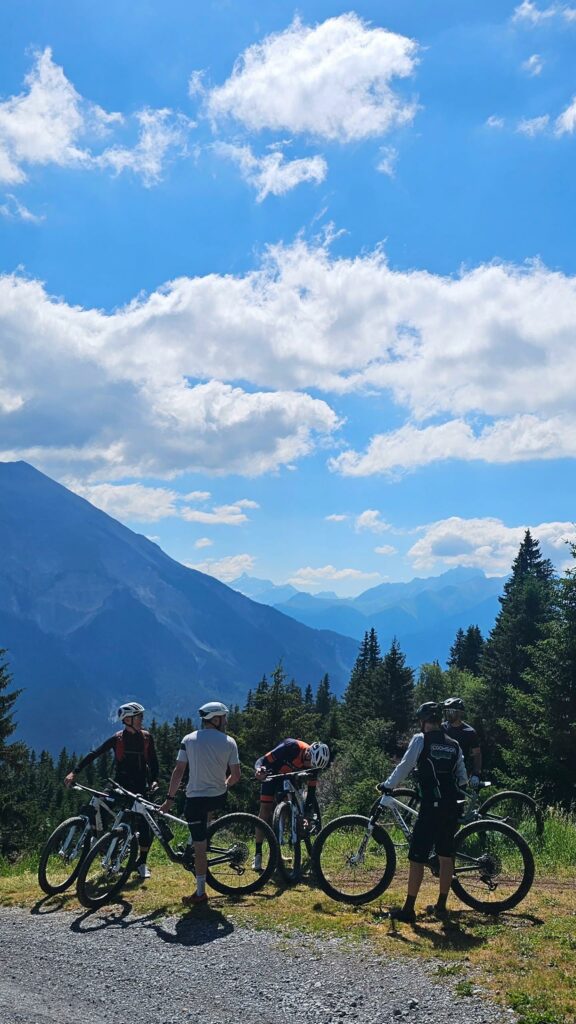
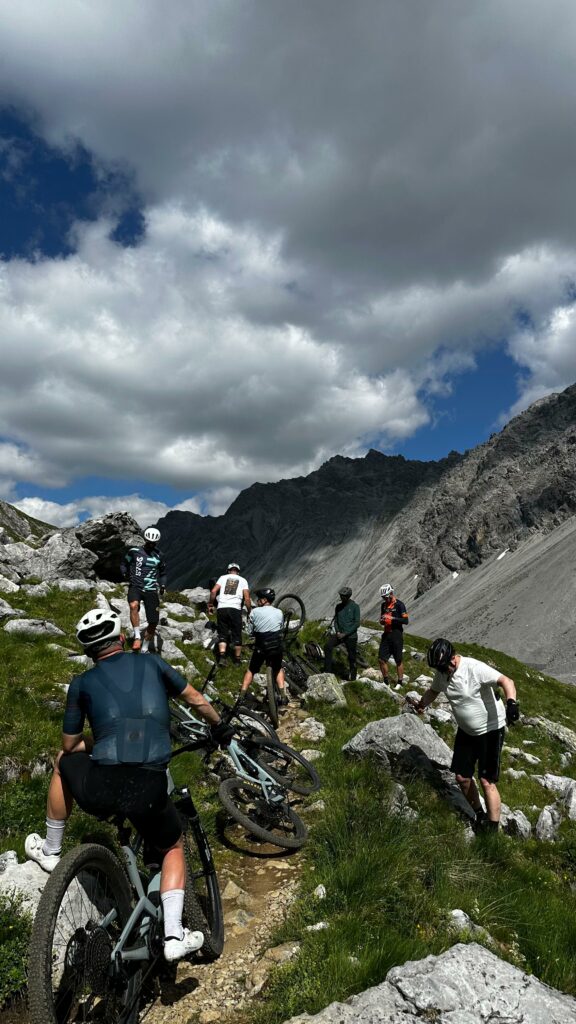
What should have been a considerably shorter day suddenly became a 60km ride as we realised we were going to have to loop all the way around the mountain range to get back.
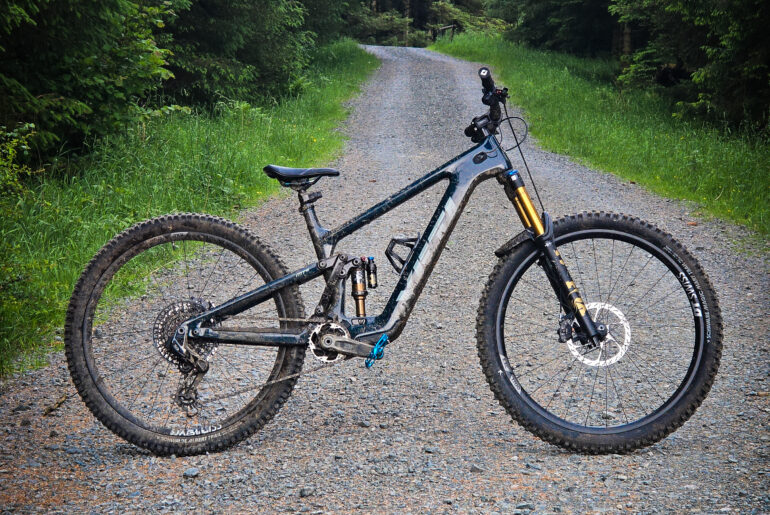
Fortunately, I was on the new Spark DC 10, shown below.
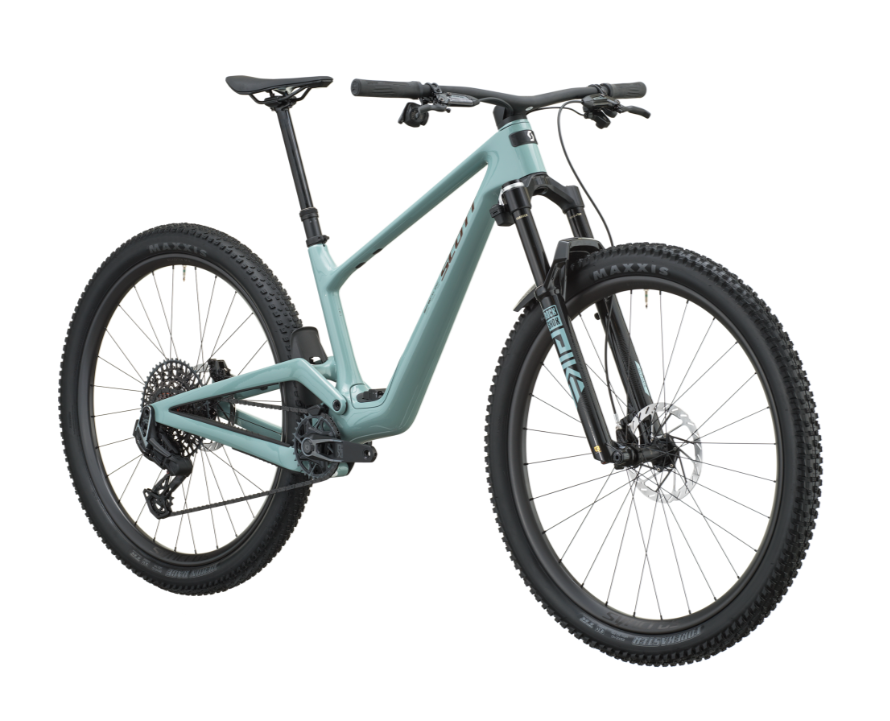
Scott Spark DC 10
- Spark DC HMF Carbon frame
- RockShox Flight Attendant suspension, 140mm front / 138mm rear
- SRAM X0 AXS Transmission
- SRAM Motive Brakes
- Syncros Silverton CF2 Wheels
- Maxxis Forekaster 2.4 Tyres
- Syncros Carbon components
What followed was probably a better test of the bike than any carefully planned launch route could have provided. We covered a proper mixture of Alpine terrain and plenty of kilometres, giving me considerably more time to get acquainted with the DC than originally planned.
It was exactly the sort of riding where the DC makes sense. Still quick and efficient when you’re pedalling, but with that extra capability and confidence when the terrain becomes more technical.
Eventually we made it to Chur, where most of the group understandably decided they had done enough for the day and opted to get picked up.
I decided that would be far too sensible.
With around an hour of climbing still between me and Lenzerheide, I swapped the DC back for a Spark RC and carried on. The route back was mostly bridleway, climbing all the way back up towards the resort and giving me a fairly unexpected opportunity to put some proper time into the RC immediately after a big day on the DC.
By the time I finally rolled back into Lenzerheide, what had started as a day testing the new Spark DC had turned into around 60km in the mountains, a missed cable car and an unplanned back to back test of both versions of the new Spark.
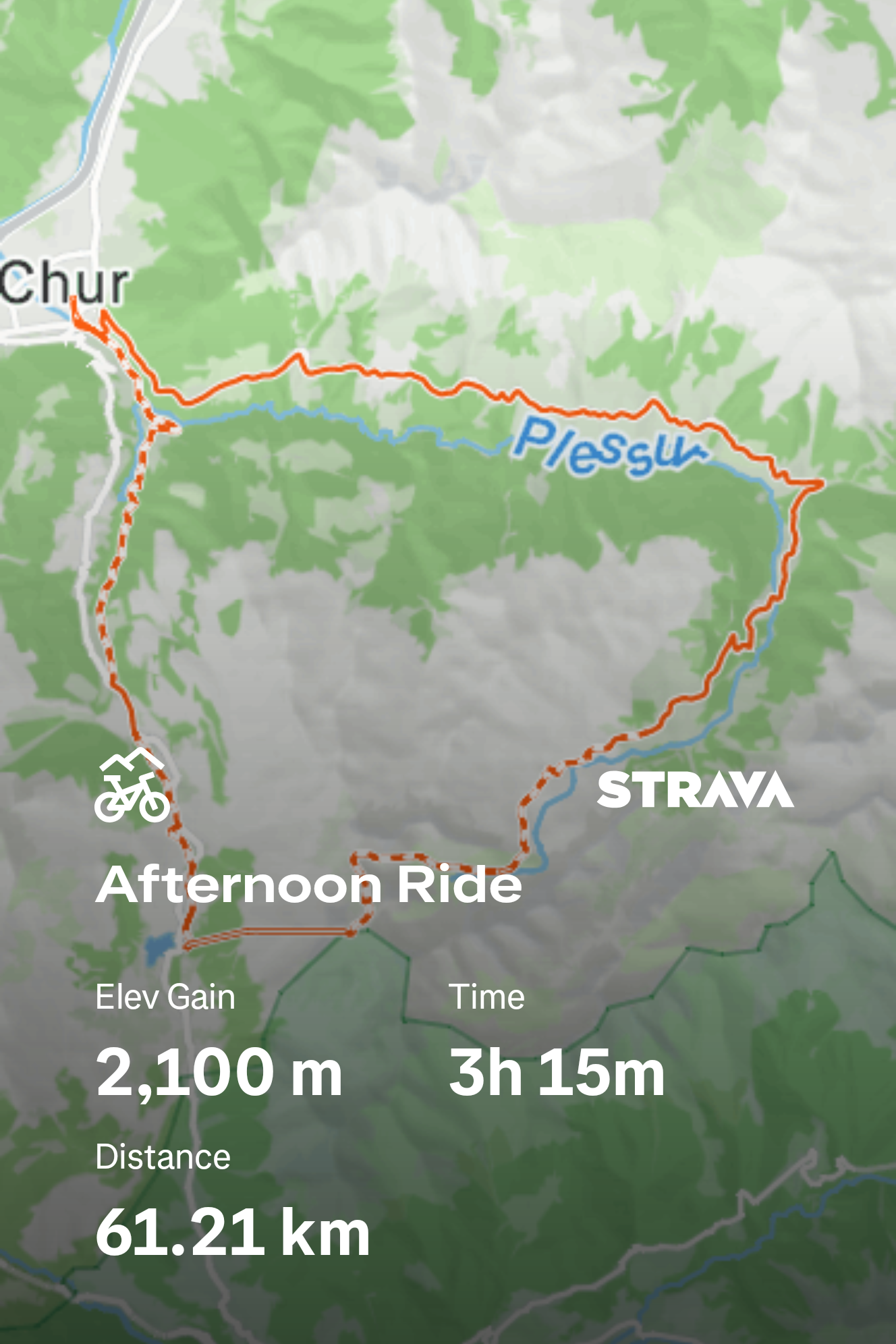
Not quite the test route Scott had planned, but probably a better test of the bikes because of it.
Two versions of the same idea
Riding the RC and DC back to back like this really highlighted how broad the Spark platform has become.
The RC is still the bike I would naturally choose. I race and enjoy the sharper, more direct feeling of a proper cross country bike. The fact that I chose to swap back onto one for an hour long climb after already spending most of the day riding probably tells you something about how well it pedals.
The DC, though, makes a huge amount of sense for somebody who wants that same efficient Spark platform but spends more time riding technical trails than pinning on a race number.
After a proper day in the mountains, I didn’t come away thinking of the DC as a compromised RC or the RC as an underbiked DC. They are two interpretations of the same platform aimed at slightly different riders.
The difficult bit is deciding which one you actually need.
So, was it actually better than my bike?
Unfortunately for my bank account, yes.
There is always a danger at a bike launch of getting caught up in the surroundings. Put almost any decent mountain bike underneath you in Lenzerheide, add some incredible trails, the Scott UK team, Nick Craig and Nino Schurter to ride with, and you’re probably going to have a good time.
For me, the important comparison was with my own Spark RC.
I knew that bike extremely well. I knew what I liked about it, how it handled and where its limits were. The new Spark didn’t suddenly make the previous generation a bad bike, because it absolutely isn’t.
What it did was take the characteristics I already liked and move the overall package forward enough that I knew which one I’d rather be racing.
The latest RC felt composed and confidence inspiring when things got rough, without losing the responsiveness and efficiency that made me buy a Spark RC in the first place.Apparently that was enough.I got home, looked at my own Spark and did the sensible thing.
I put it up for sale.
My verdict
A few days riding around Lenzerheide with Scott UK, Nick Craig and Nino Schurter is about as good a test environment as you could ask for, although perhaps not the safest environment for your wallet.
Between riding the Spark RC SL around Bike Kingdom, having a bit of argy bargy with Nino, putting a proper day into the new Spark DC and then voluntarily adding another hour of climbing on the RC when everybody else had decided to get a lift, I certainly came away feeling like I’d ridden the bikes properly.
For me, the biggest compliment I can give the new Spark is that I went into the trip as a happy owner of the previous generation and came home wanting the new one.
The Spark RC remains very clearly a race bike, but one that reflects just how technical and fast modern cross country riding has become. The Spark DC takes the same basic idea and opens it up to riders who want more capability when the trail points down without giving away the speed and efficiency that make the Spark what it is.
I didn’t need convincing that the Spark was a good bike. I already owned one.
The fact that I came home and immediately decided mine needed replacing probably says considerably more than another few hundred words could.
If anyone is interested in buying a 2025 Scott Spark RC custom build, let me know…